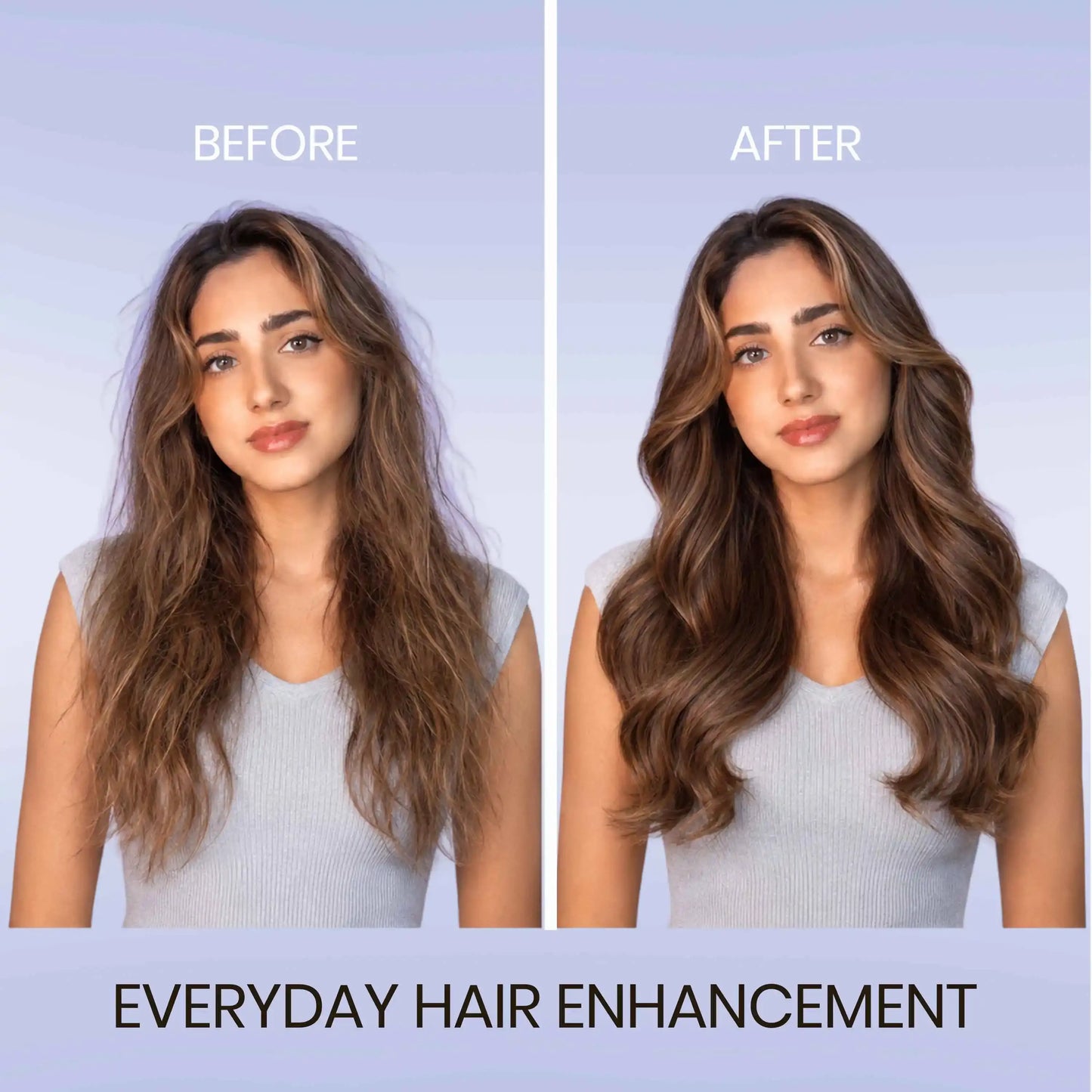
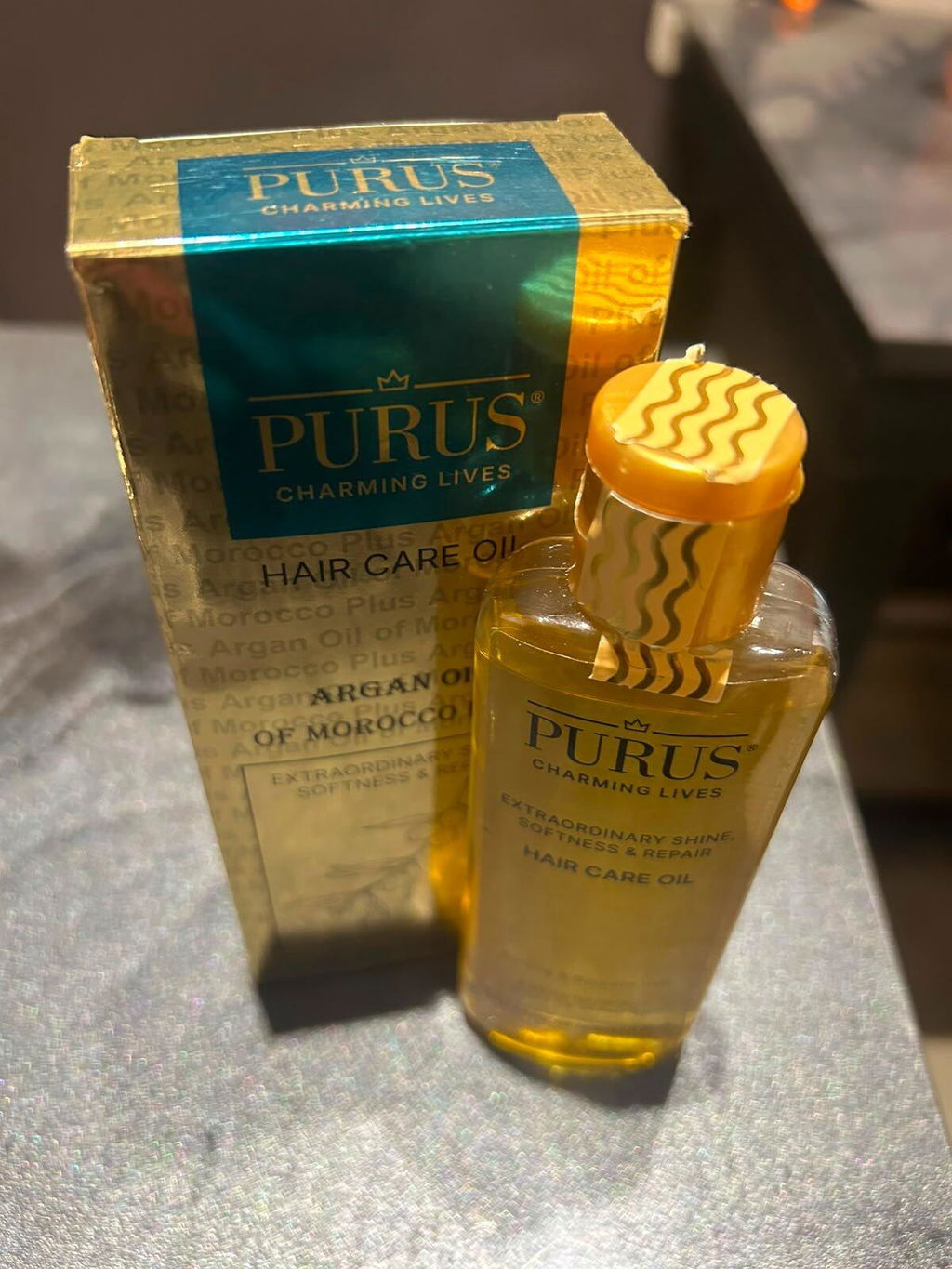
- Reduce Hair lose in the Shower Drain
- No More Itchy, Flaky Scalp Ruining Your Day
- Absorbs in Seconds, Never Feels Greasy
- Won't Weigh Down Fine or Low Porosity Hair
- Stronger Strands, Fewer Split Ends
- One Bottle, Every Hair Type
- See Less Shedding by Week 6, Not "Eventually"

Why PURUS Argan Oil Serum Is Better
No greasy hands or hair, absorbs in under a minute
No transfer stains on pillowcases or collars
Easy to dose, 2 to 4 drops per use
Sits comfortably under makeup, no pilling
Same results every batch
Light enough to leave in, no next-day wash needed
How to Use
- Apply 2-4 drops on damp or dry hair, focusing on mid-lengths and ends rather than roots
- Rub between palms first, then run through hair; this spreads it evenly instead of leaving a concentrated patch in one spot
- Fine hair needs less or 1-2 drops; more can weigh it down
- Thicker or curlier hair can take the full 4 drops without looking greasy
- Low porosity hair should apply it to damp rather than dry strands, since low porosity hair resists absorption when fully dry and the serum tends to sit on top instead of soaking in
- Smooth one to two drops onto clean skin before foundation
- Let it absorb for about a minute before applying makeup
- Sits under foundation without pilling or causing it to slide
- Warm a drop between fingers and pat into skin, morning or night
- Also works on rough patches, cuticles, and dry heels, not just the face
- Before straightening or blow-drying, apply a small amount to towel-dried or fully dry hair
- Creates a light barrier that cuts down on the friction heat causes, which usually shows up as frizz and flyaways a few hours later
Frequently Asked Questions
Mostly two things, taming hair and moisturizing skin. People reach for it when regular conditioner isn't cutting the frizz or when their skin needs something that won't sit heavy under makeup.
Mostly it’s good because vitamin E and fatty acids get into the strand instead of just coating it, so dryness and frizz actually improve rather than getting covered up for a few hours.
A light golden yellow, closer to honey than to a deep amber. If a bottle looks dark red or brown, that's usually a sign it's been cut with something else.
If it's a leave-in serum like this one, put it in and go. There's no rinse step or waiting period involved.
It depends on what you're using it for. Raw pressed oil makes sense for an occasional scalp treatment, but for something you'll actually use every day, a blended serum that absorbs fast and doesn't need washing out tends to win out.
Not much directly. If we're being precise, it won't speed up growth. What it does is cut down breakage at the ends, so the hair that's already growing looks healthier and holds its length better.
Argan oil on its own is fine during pregnancy. This is a blended serum, though, so if you're pregnant or breastfeeding, it's worth running the ingredient list past your doctor first rather than assuming it's the same as raw oil.
Generally, it's non-comedogenic, which is part of why it can sit under makeup without causing problems. If your skin is very acne-prone, patch test first anyway, since everyone's skin reacts a little differently.
Yes, take a small amount on your wrist or inner elbow and leave it for 24 hours. It tells you what you need to know before it goes anywhere near your face.
About 12 months from when you first open it. Keep the cap on tight and keep it out of direct sunlight, and it'll hold up for that whole stretch.
Every day is fine, that's how it's meant to be used. No cycling off needed unless you notice your skin or scalp reacting to it specifically.
Depends on what you're doing. Coconut oil is heavier and better for an occasional deep treatment, while argan oil is lighter and works better as something you use every day without it building up.
Same product, same steps; the only thing that changes is how much you use. Shorter hair needs one or two drops; longer or thicker hair can take the full four without looking weighed down.